Moka pot vs French press: what is the difference?
One of these coffee makers sits on the stove and gurgles when it is nearly done. The other needs only hot water and a push of the hand. They make coffee in opposite ways: a moka pot drives water up through the grounds under pressure, while a French press lets coffee and water sit together and then strains them apart.
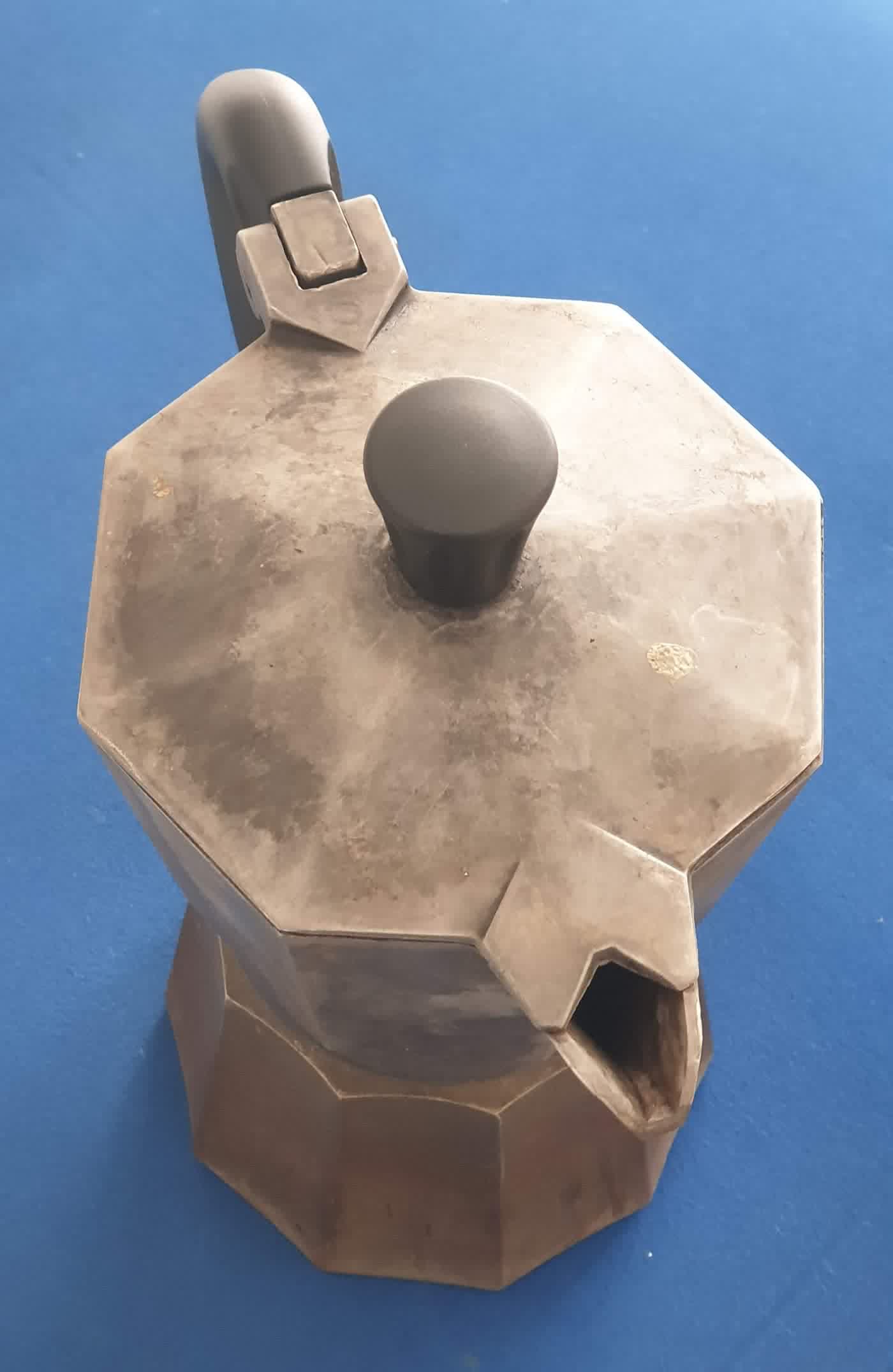
Photo: Karl Brodowsky, CC BY-SA 4.0, via Wikimedia Commons. This image is shared under the same licence. File page and licence

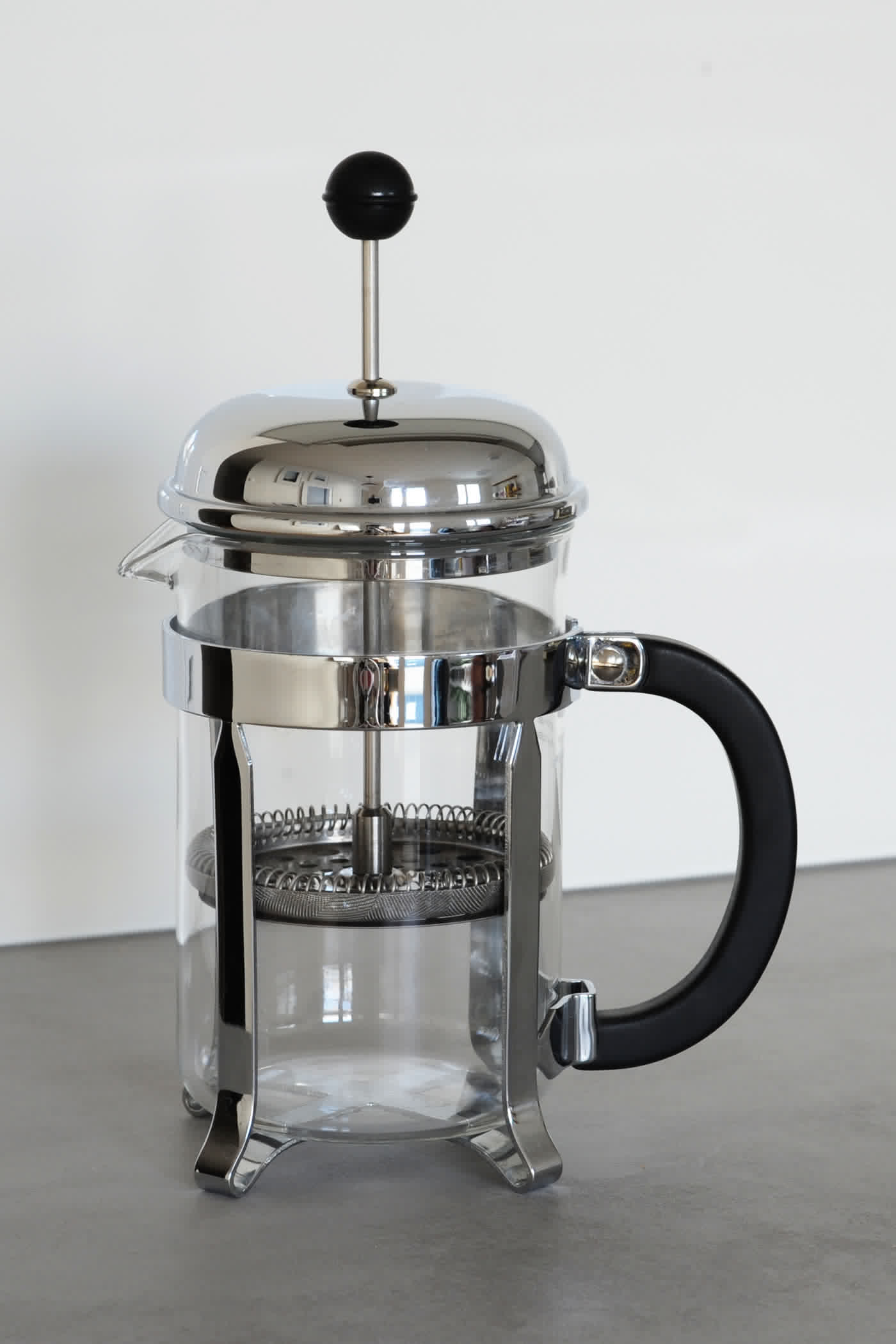
Photo: KoeppiK, CC BY-SA 4.0, via Wikimedia Commons. This image is shared under the same licence. File page and licence

An eight-sided pot from 1933
Alfonso Bialetti designed the Moka Express in 1933. It was made of aluminum, with the eight-sided chambers that give it the look of a small machine.
Before it came the Neapolitan flip-pot. That one was heated and then turned upside down, so that gravity carried the hot water down through the grounds and into a second chamber. The Moka Express stays upright. Its two halves screw together, and pressure does the work that flipping used to do.
Three parts, bottom to top
Unscrew a moka pot and it comes apart into three pieces. The bottom is a boiler that holds the water. A funnel-shaped basket drops into it and holds the ground coffee. The top is the collector, where the finished coffee ends up.
Two small parts sit at the join. A flat metal filter plate lets the liquid through and keeps the grounds out of the drink. A rubber gasket stops water and steam escaping at the seam.
On the side of the boiler is a safety valve. If the pressure climbs too high and the water cannot get out through the funnel, the valve lets the steam go.
What happens on the stove
Fill the boiler with water to just below the valve, set the basket of coffee in place, screw on the top and put the pot on the heat.
As the water heats, vapor pressure builds in the sealed boiler and pushes the water up through the funnel and the coffee. The brewed coffee climbs a central spout and collects in the upper pot, where you can watch it arrive. Near the end, the last of the steam passes through with a gurgle.
The French press: one carafe, one push
A French press has no boiler and no second chamber. It is a carafe, glass in the familiar version, with a plunger and a built-in metal filter.
You put in ground coffee, pour hot water over it from a kettle, and leave the two together to steep. Then you push the plunger down. The metal strainer travels through the pot and separates the grounds from the coffee, which stays in the same carafe until you pour it.
Nothing is heated in the press itself, and the only force involved is your hand.
Which routine suits you
Neither is the better coffee maker in general. They are two answers to the same small problem: getting water through coffee, and the grounds out of the cup.
A moka pot asks you to stand by the stove, and gives you something to watch and hear in return: coffee rising into the top chamber. A French press asks only for hot water and a little patience, then a single push.
We share interesting things from around the world. We have not tested them.
Sources
- University of Naples Federico II, moka-pot study
- Museo Tattile Statale Omero, Moka
- Museum of Modern Art, Moka Express
- European Patent Office, moka-pot filter patent
- Bialetti, how the Moka works
- Bialetti, replacement filter plate
- International Agency for Research on Cancer, coffee brewing methods
- National Coffee Association, French press coffee
- Science Museum Group Collection, French press cafetiere
- Dallmayr Academy, French press
- Bialetti, Moka safety valve
- Bialetti, filter plate and gasket
More from World Shelf
What is furoshiki? The Japanese wrapping cloth
What is a tiffin carrier? Mumbai's travelling lunch box
Brand names are used descriptively. World Shelf is not affiliated with any maker.